CRAFTSMANSHIP
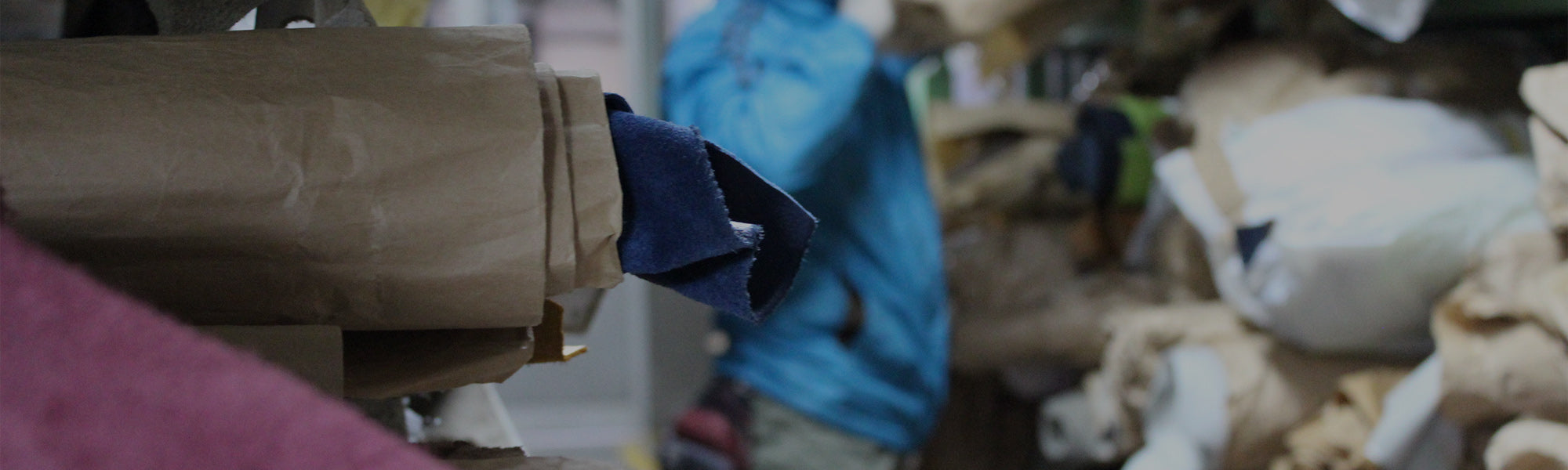
Materials You Won't Find in Other Sneakers
At Spingle, we work with leathers that most sneaker brands never consider — and we apply processes that bring out textures and character you can't get any other way.
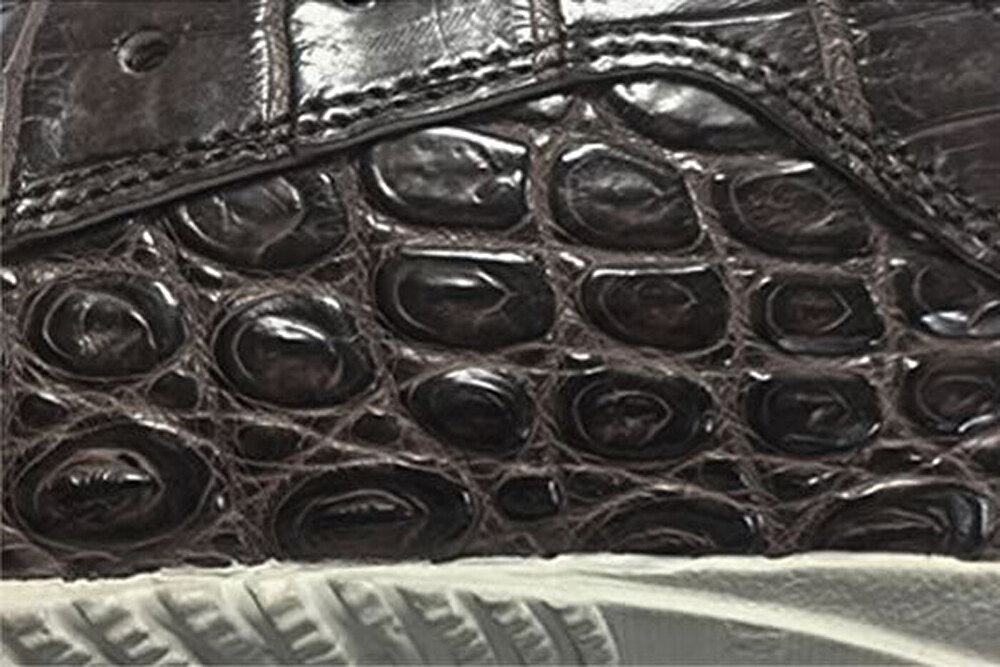
Our leathers include kangaroo, cow, horse, pig, camel, goat, sheep, crocodile, python, lizard, eel, and — as a rarity — shark.
For surface treatments, we work with print and pleat finishes, crocodile embossing, product dyeing (where the entire finished shoe is dyed), and water washing. We also develop materials in collaboration with partner brands.
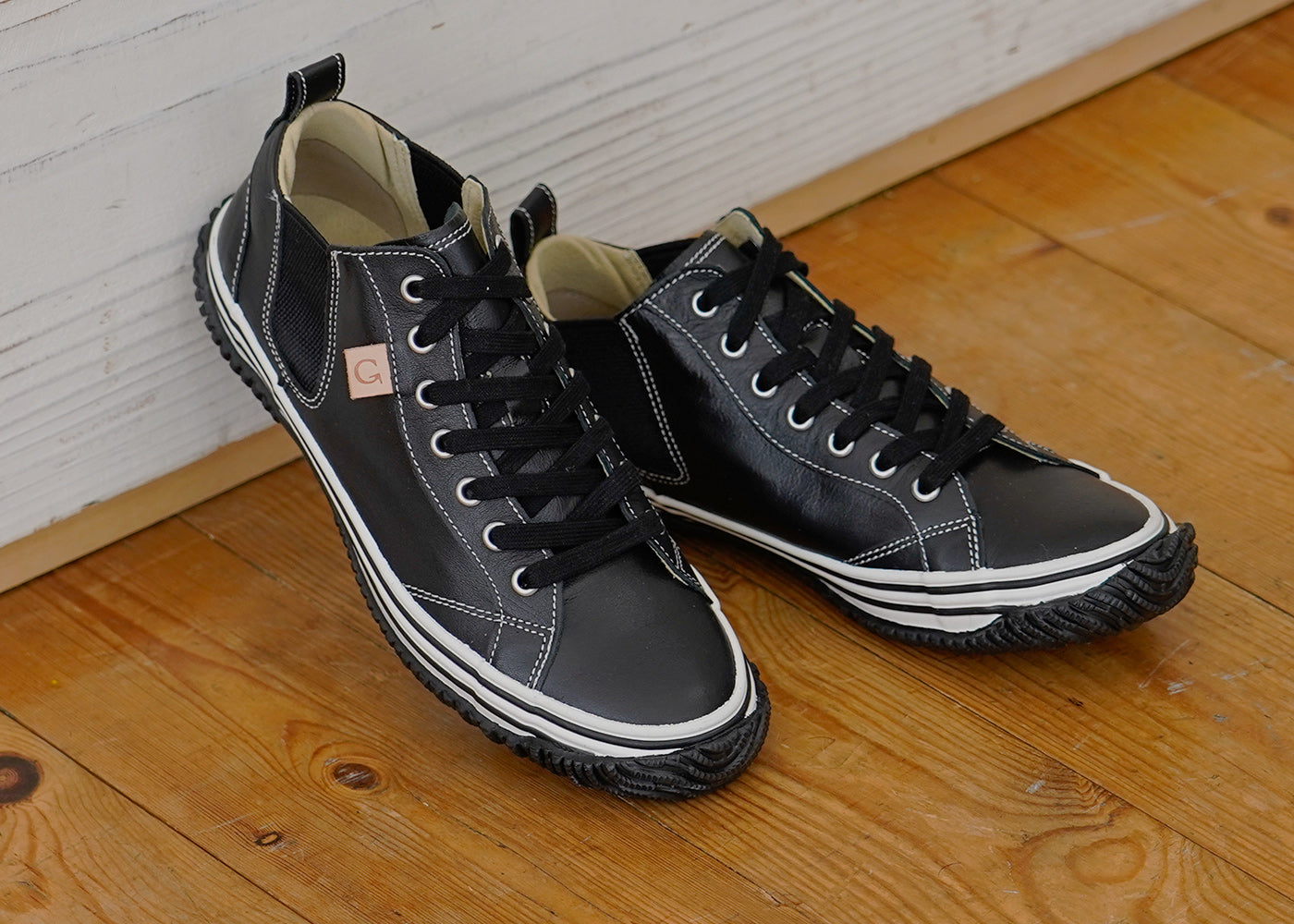
Character That Only Handwork Can Create
Because Spingle shoes are built in a high-temperature kiln using the vulcanization process, only leathers that pass strict checks for shrinkage and color stability can be used.
These are materials that develop with wear — the slight unevenness, the creases, the gradual shift in texture. Combined with handwork at every stage, each pair develops its own character over time. No two end up exactly alike.
We will keep pushing into new material possibilities to bring you shoes that haven't been made before.
A Process That Started in the United States in 1839
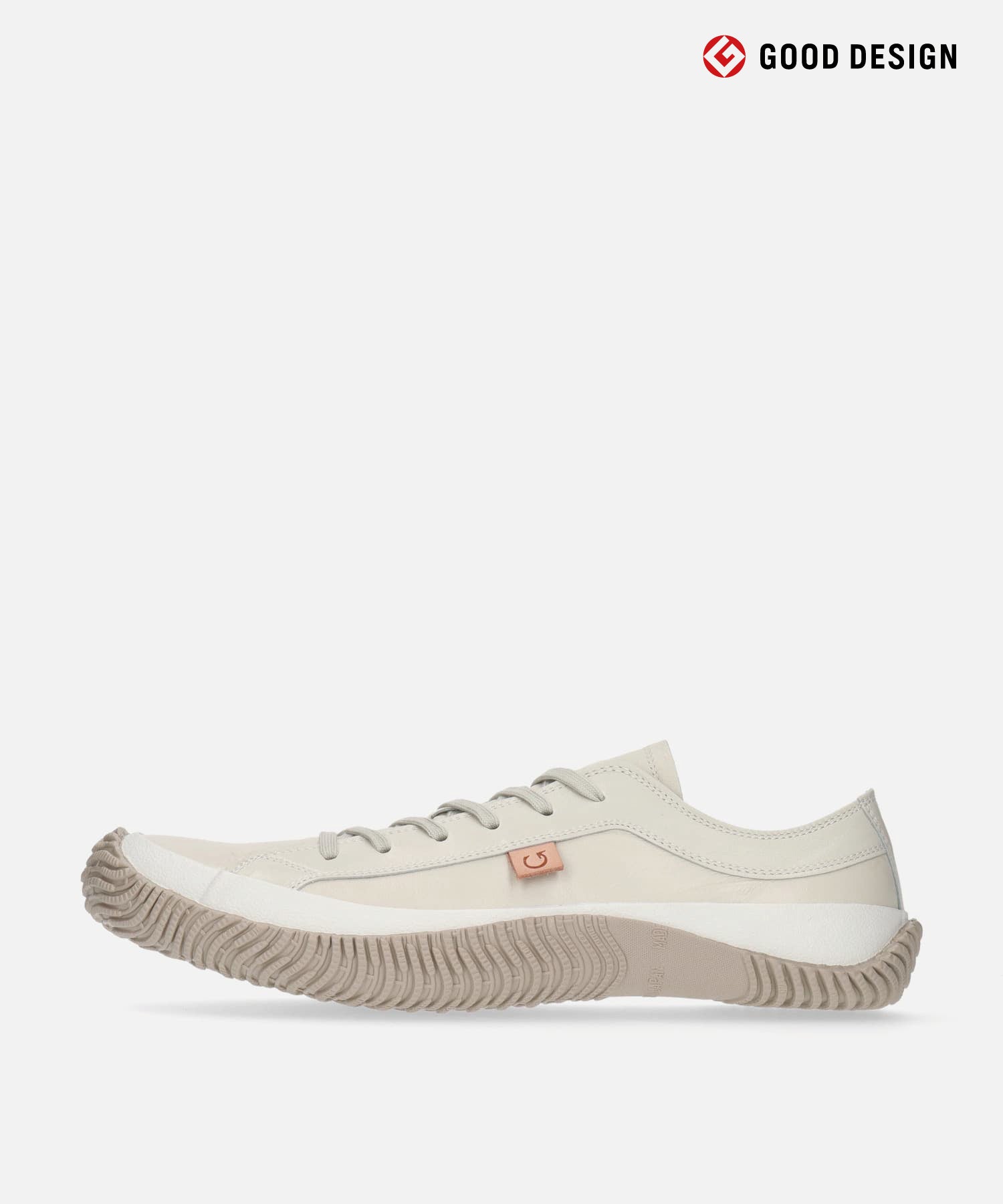
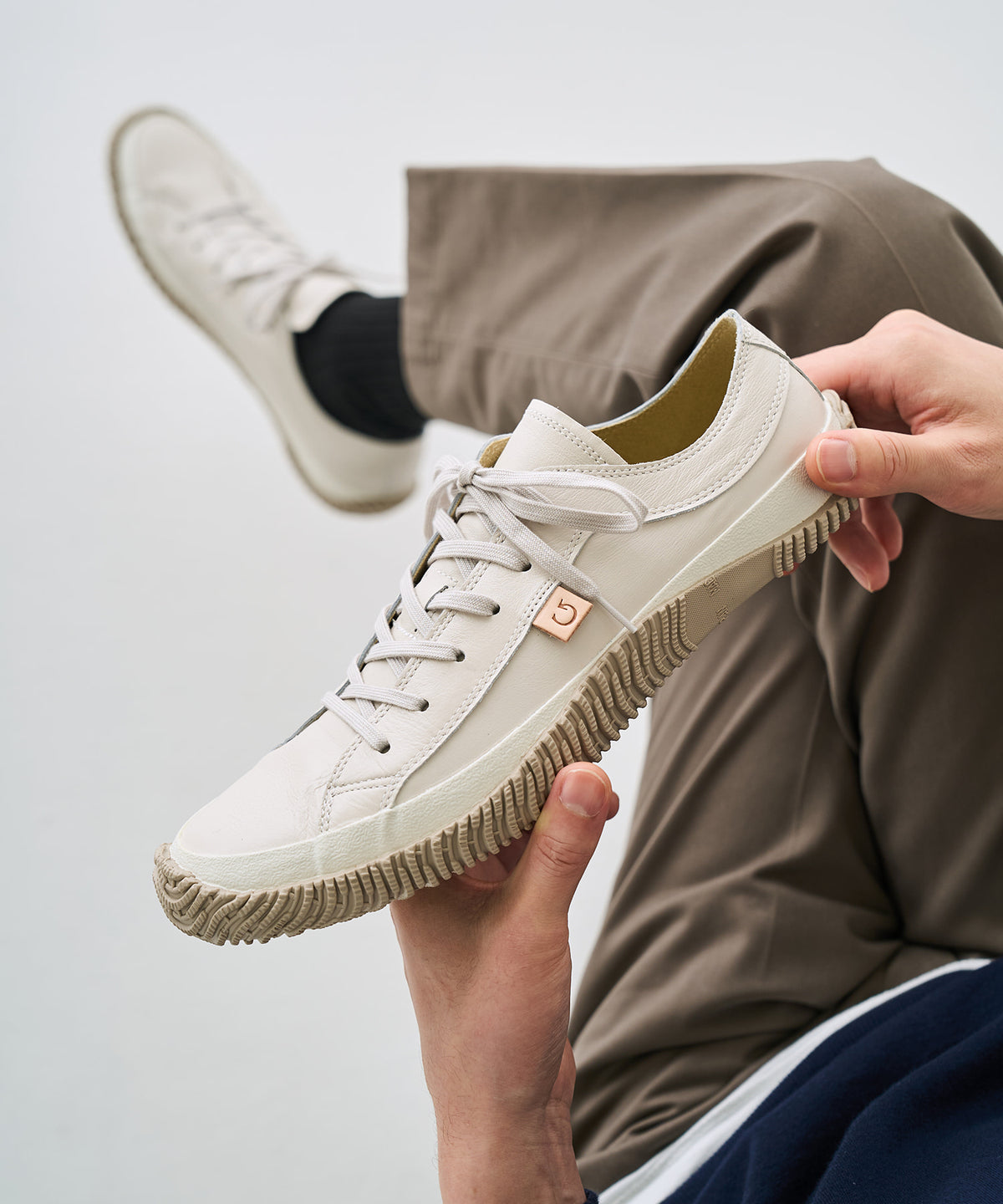
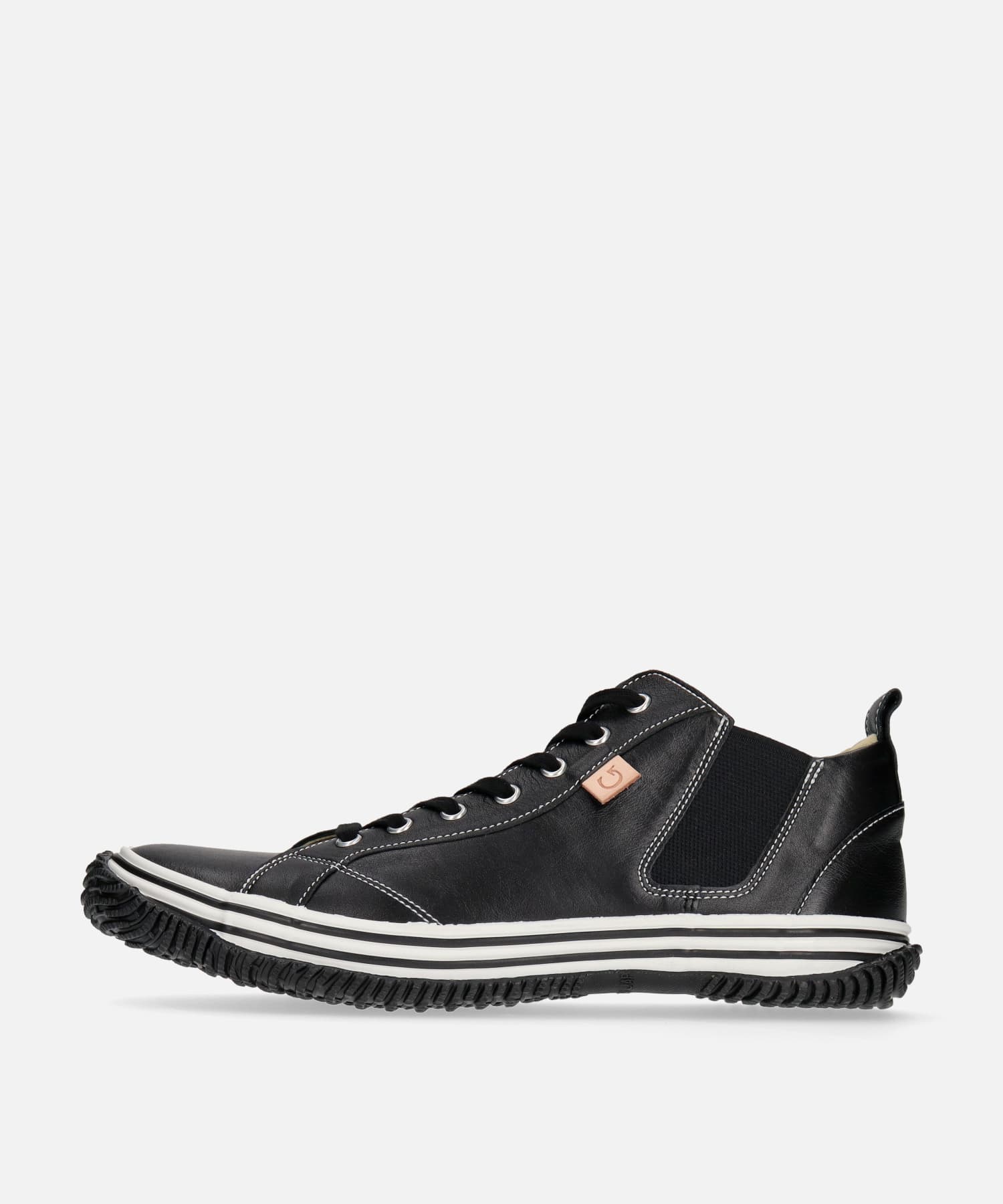
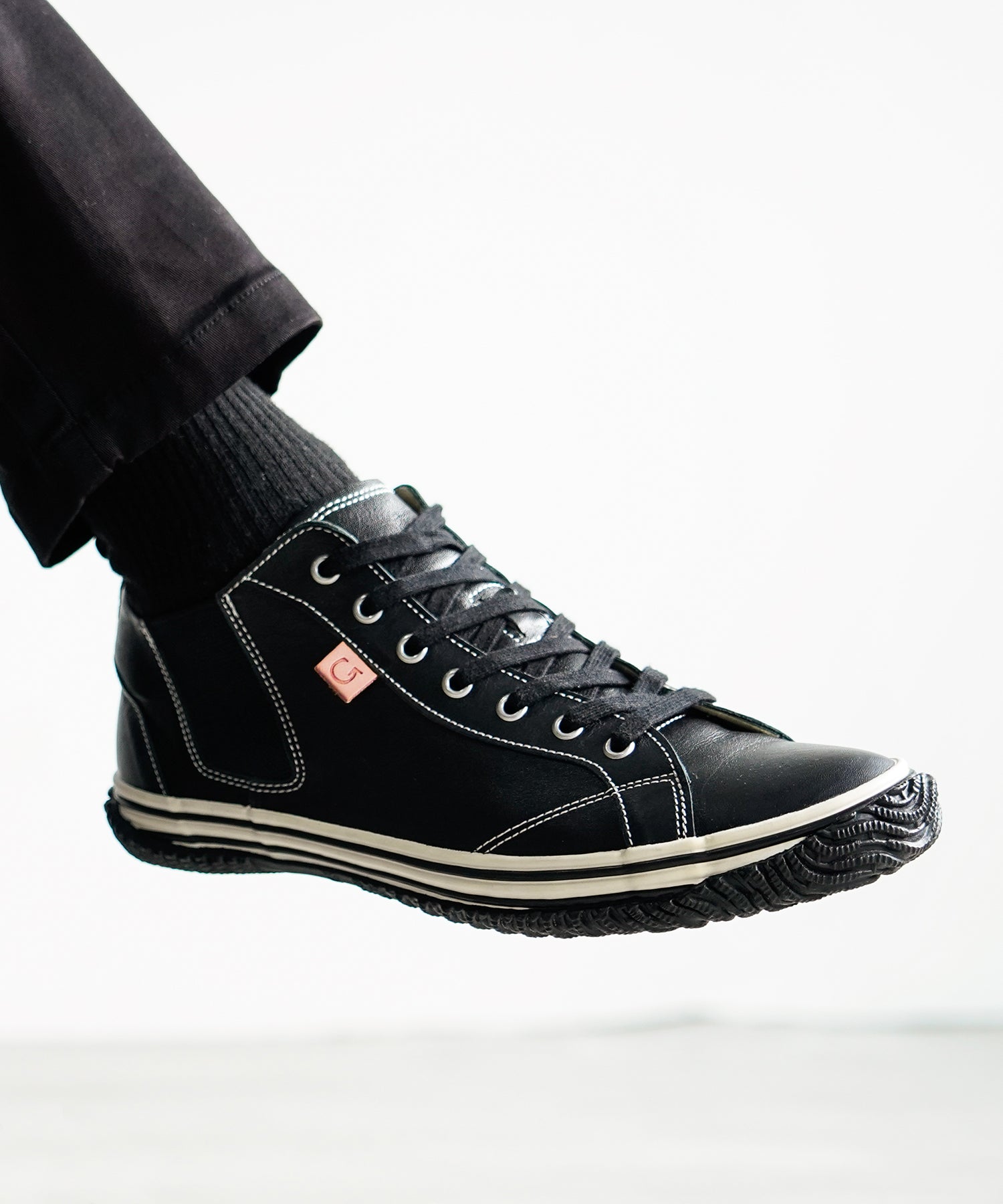
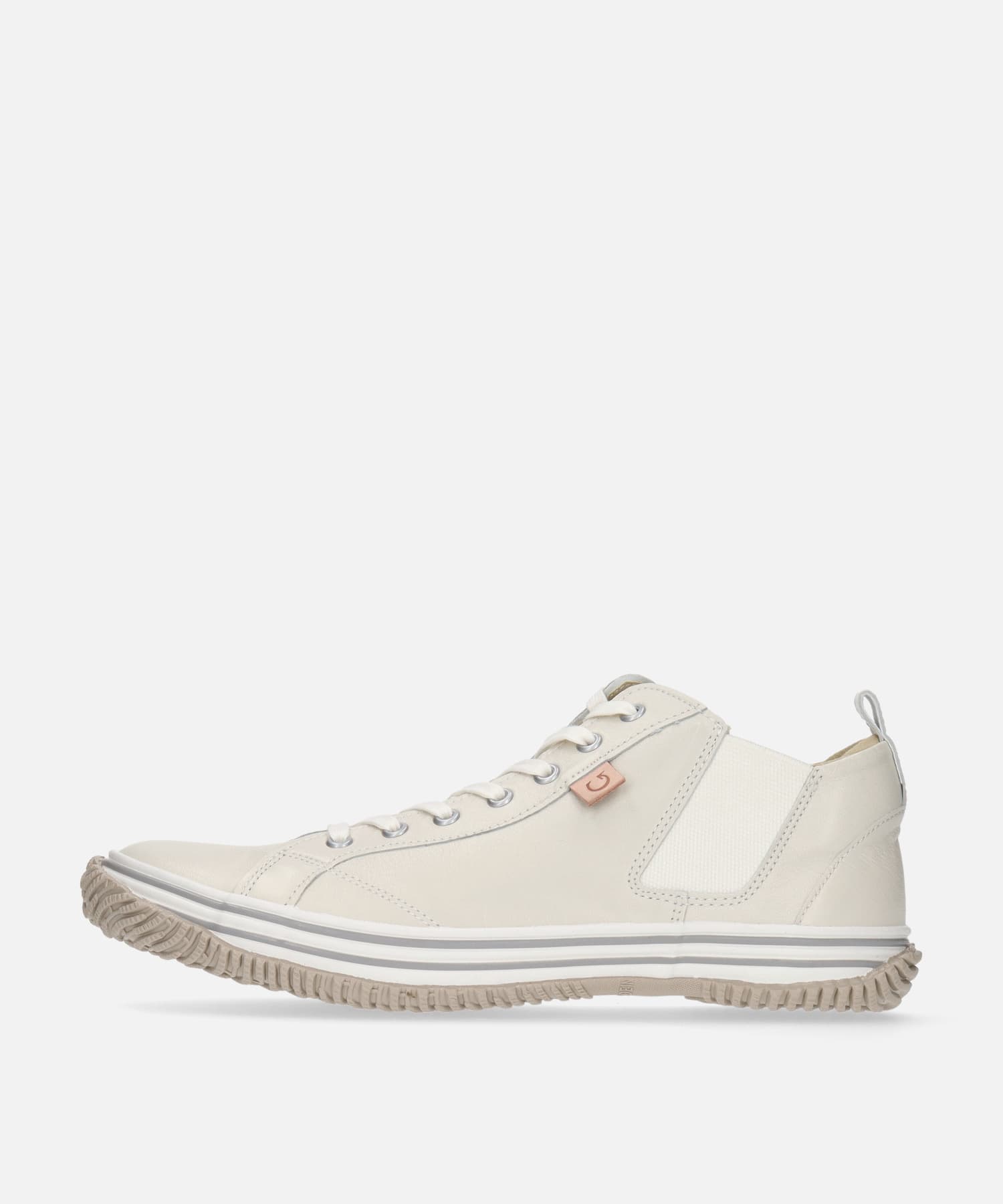
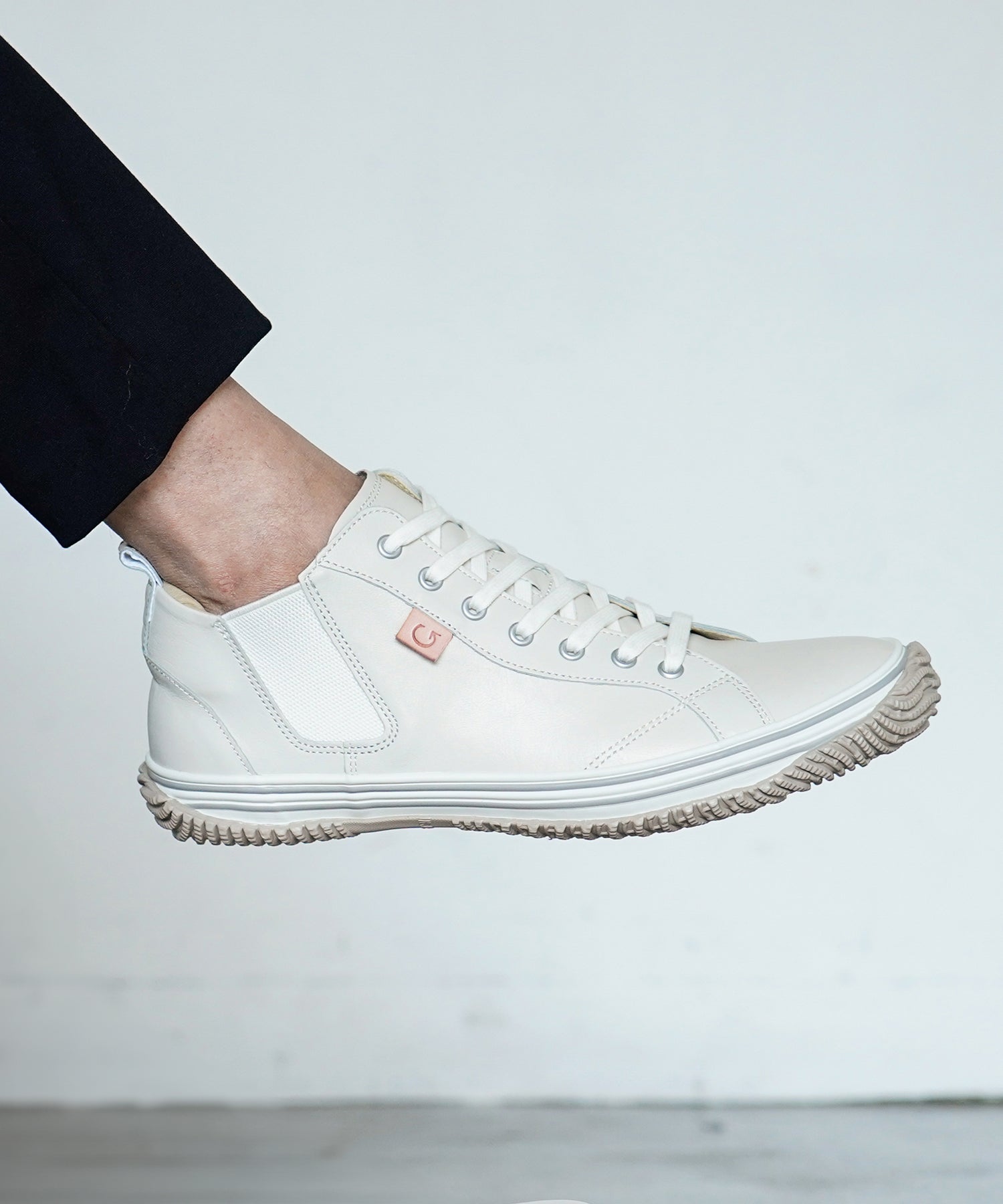
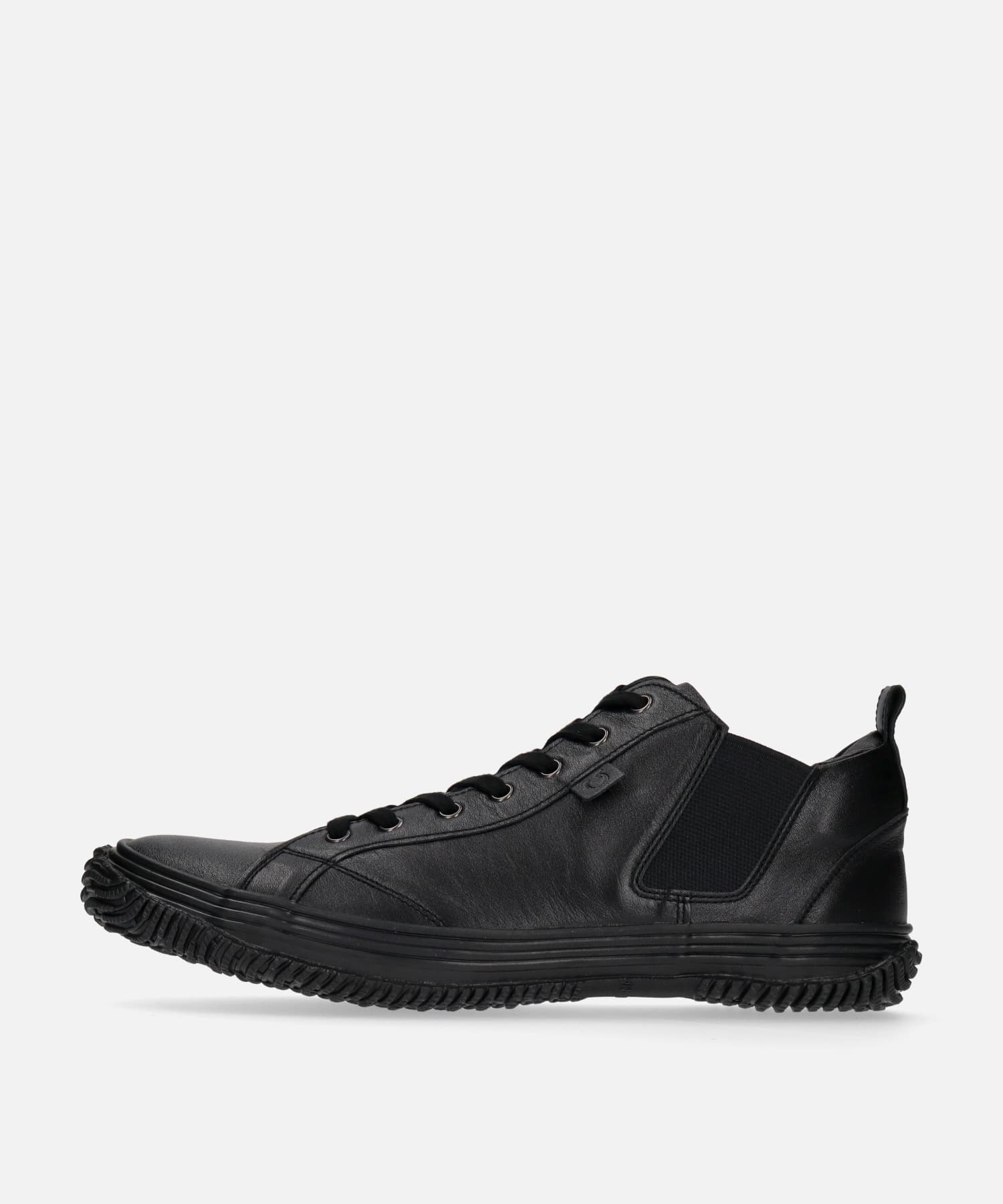
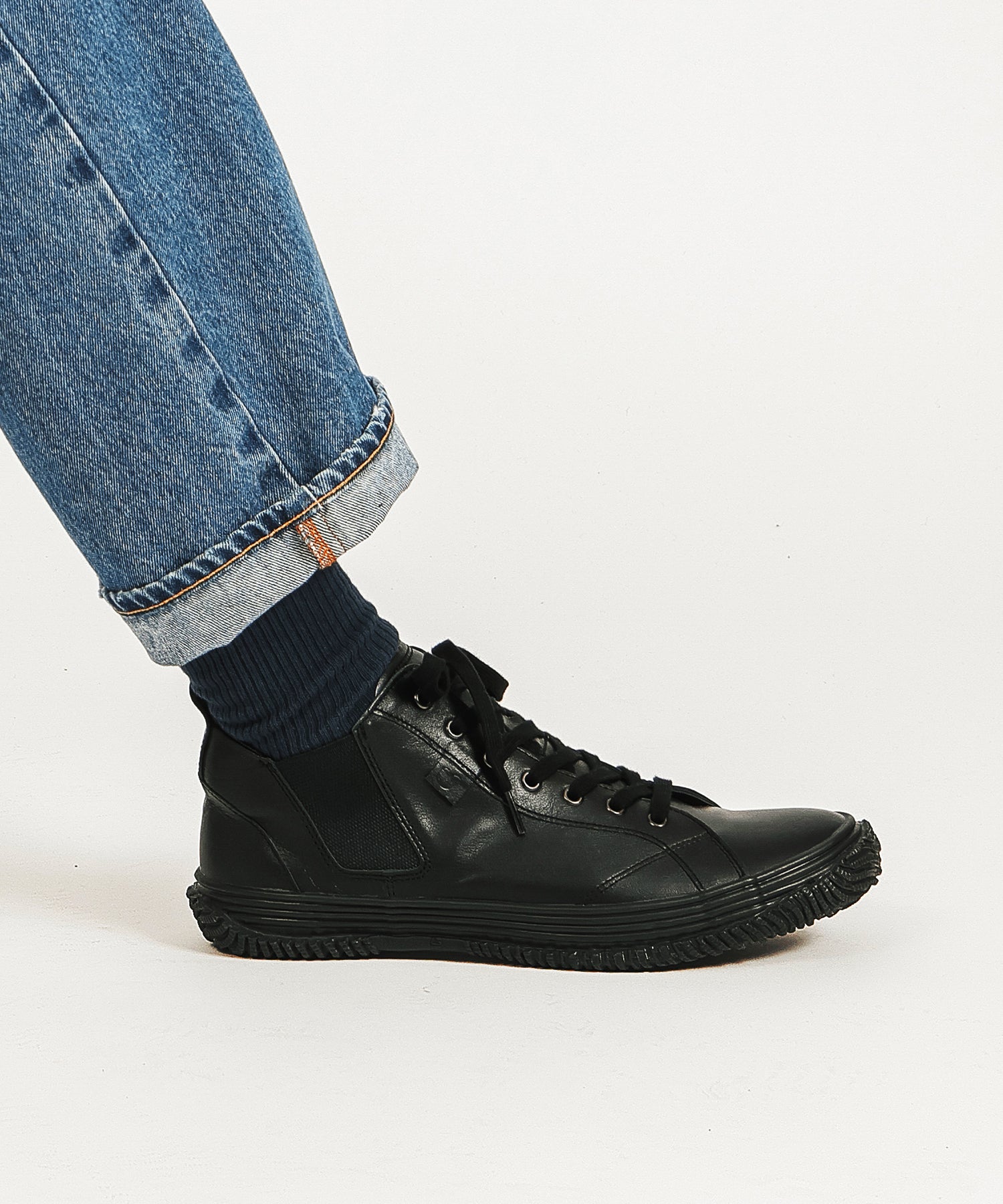
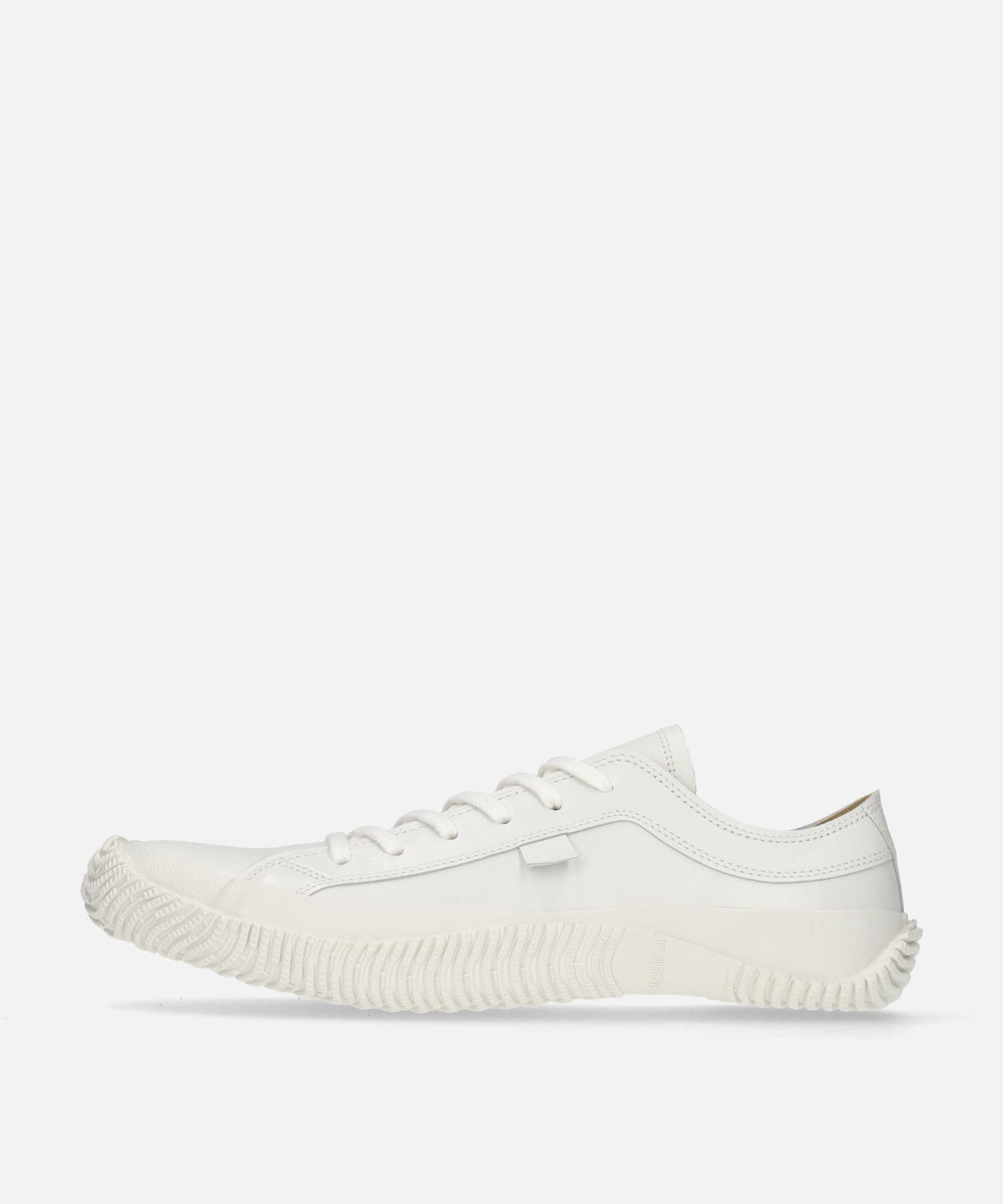
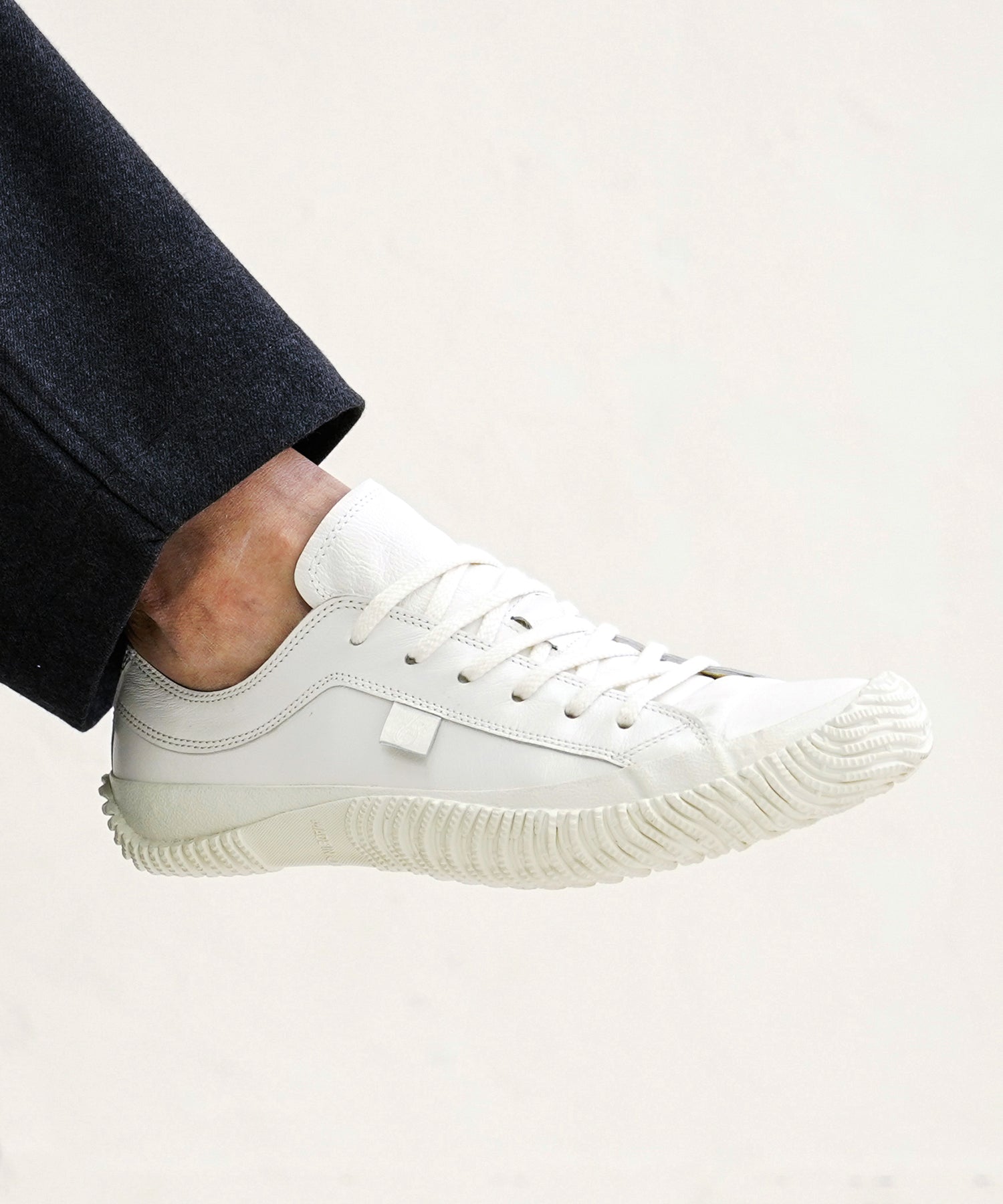
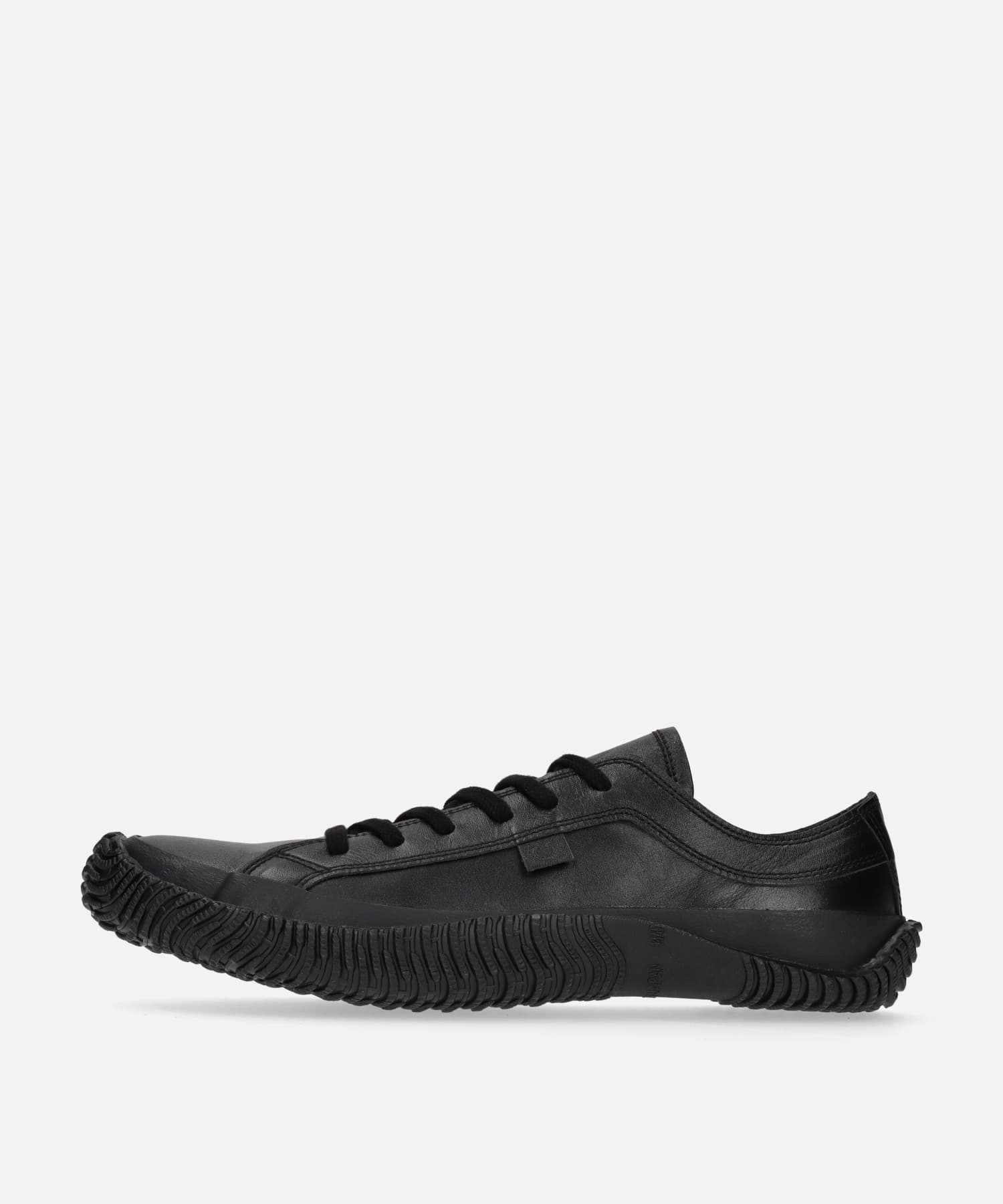
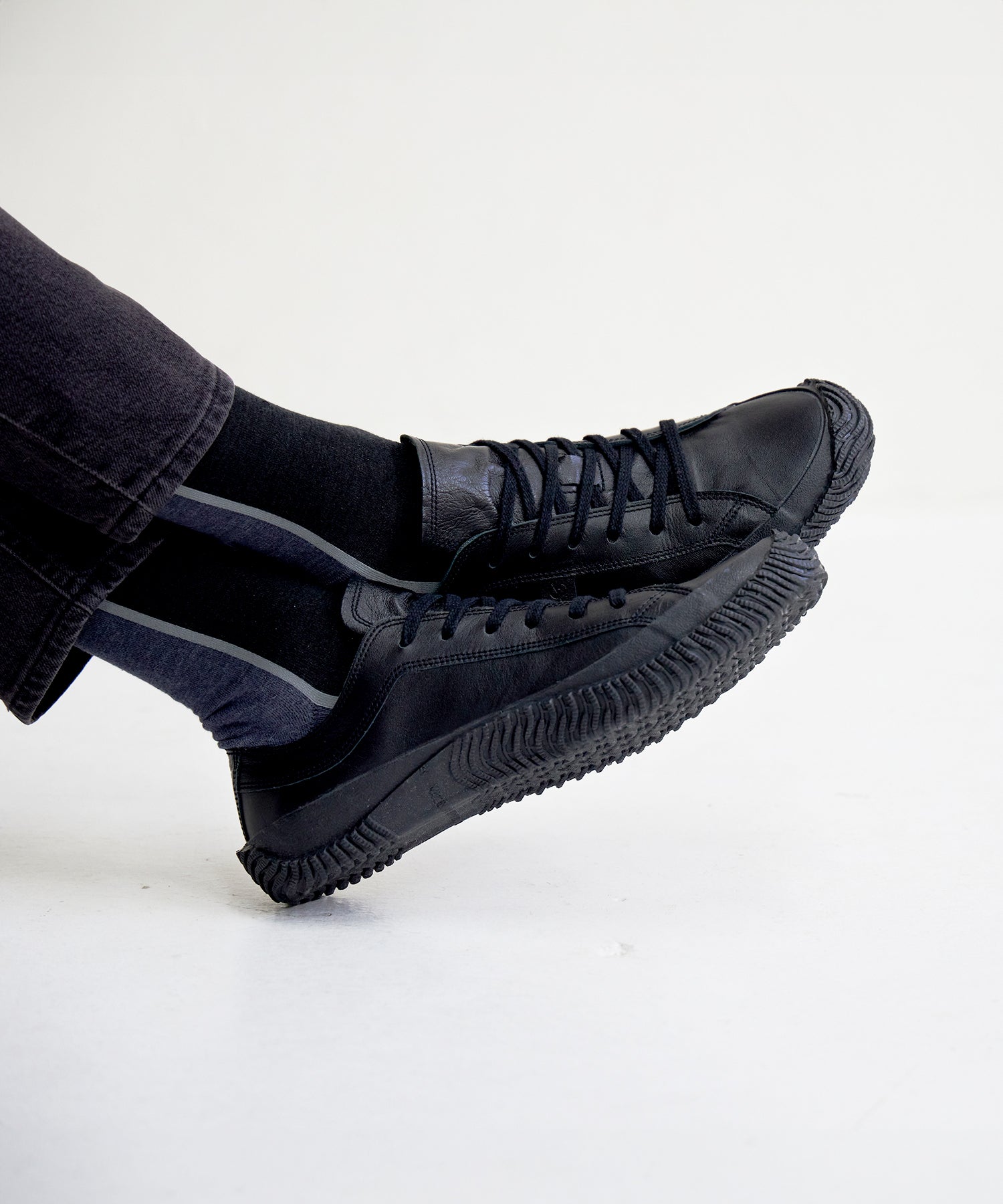
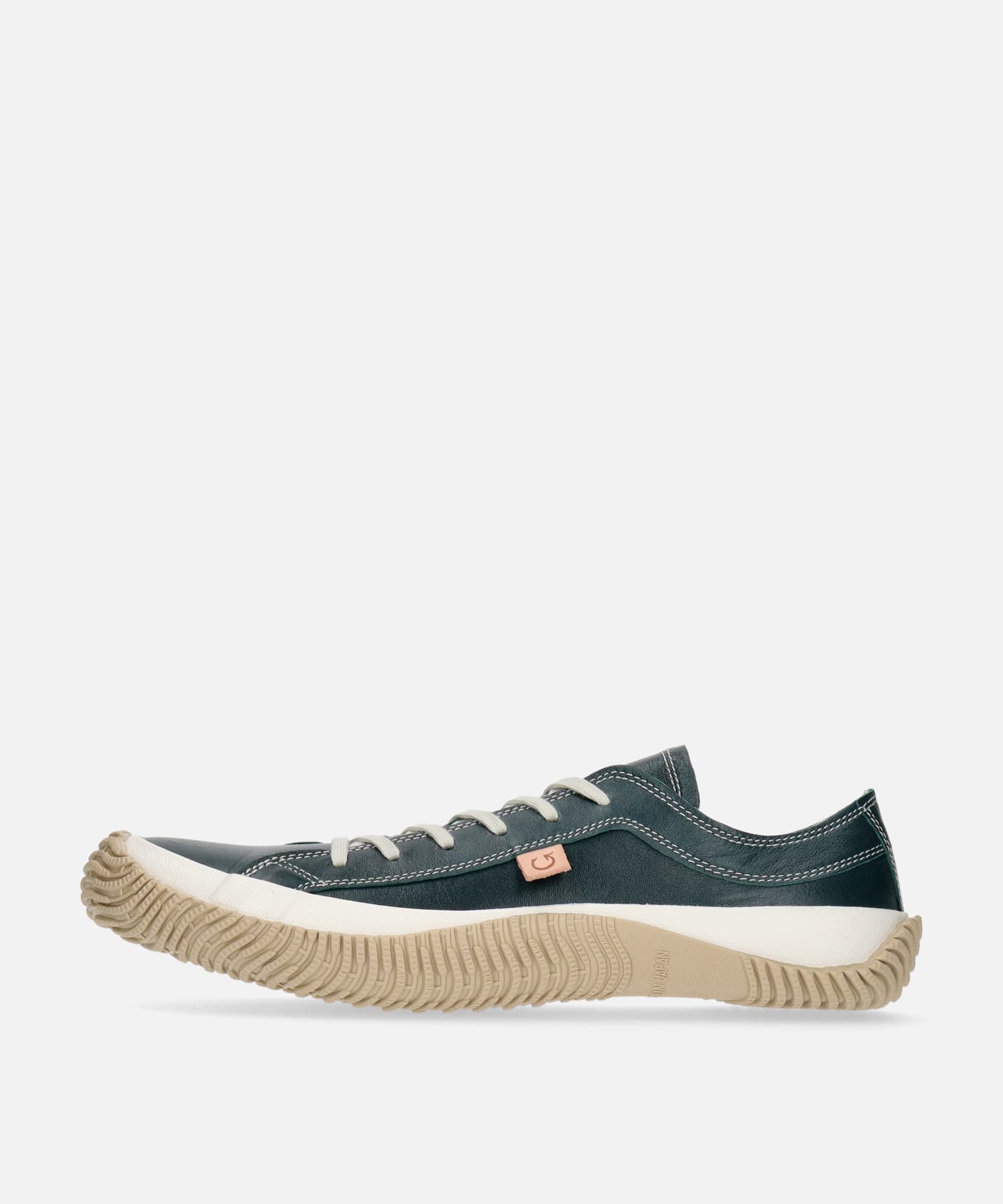
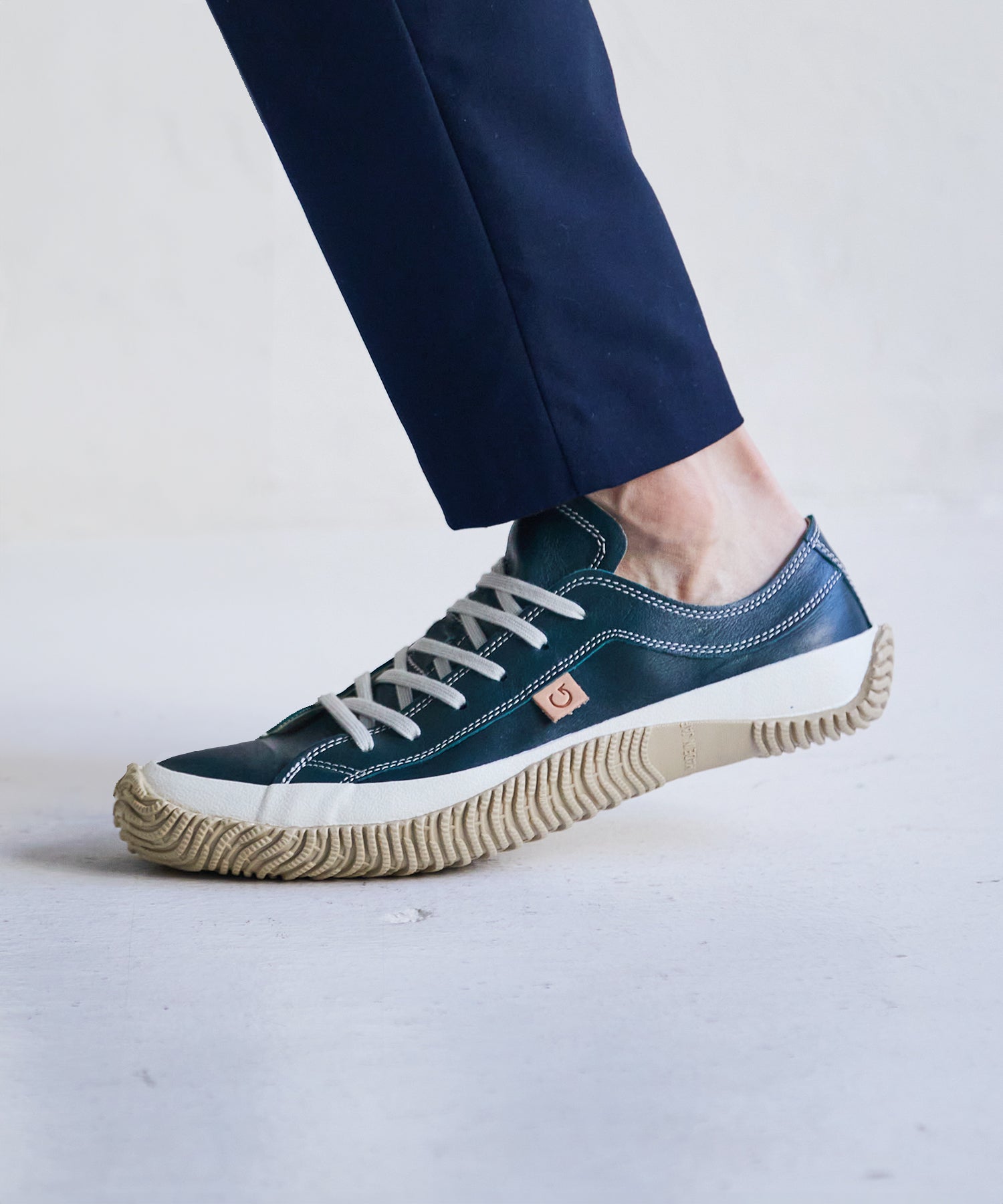
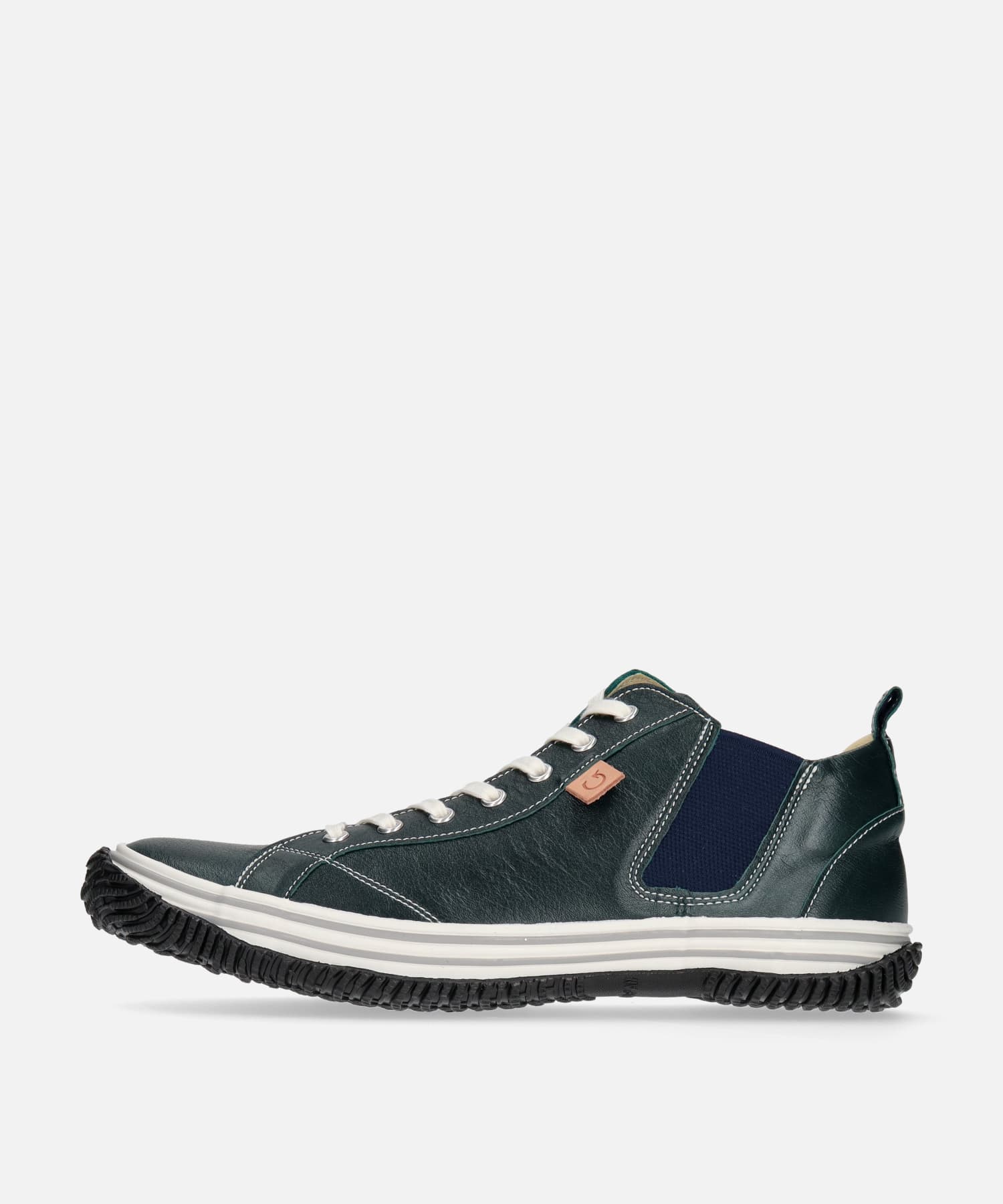
The defining feature of Spingle shoes is the wave sole — the makiage — that wraps up around the upper.The shape is distinctive, but it comes from function: the vulcanization process bonds the sole and upper with heat and pressure, creating a connection that holds its shape and doesn't peel.
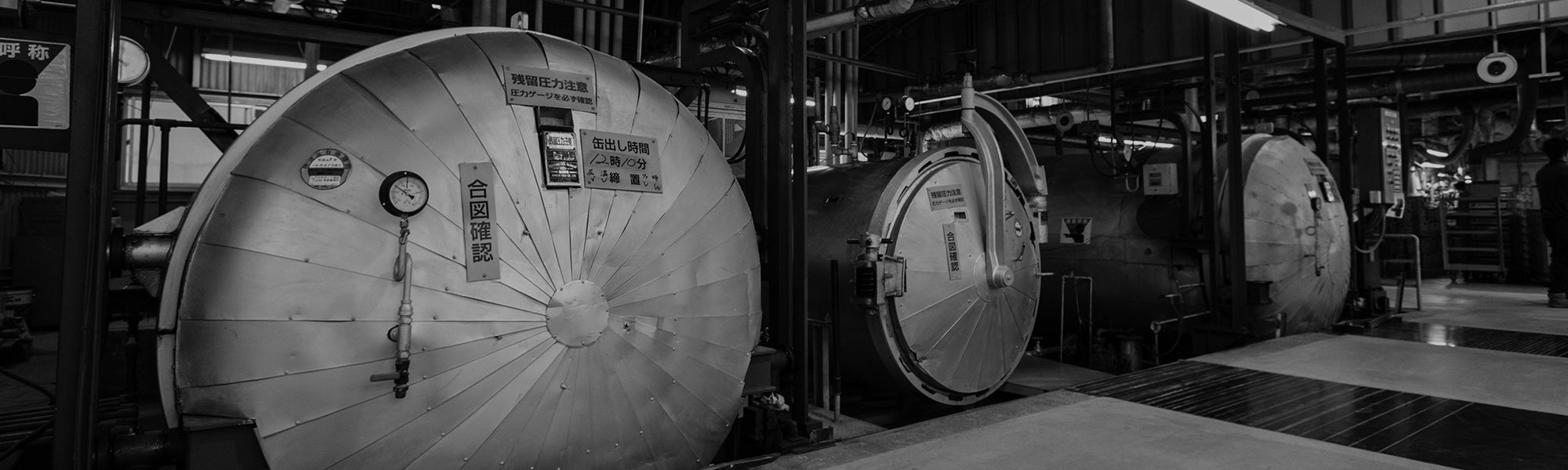
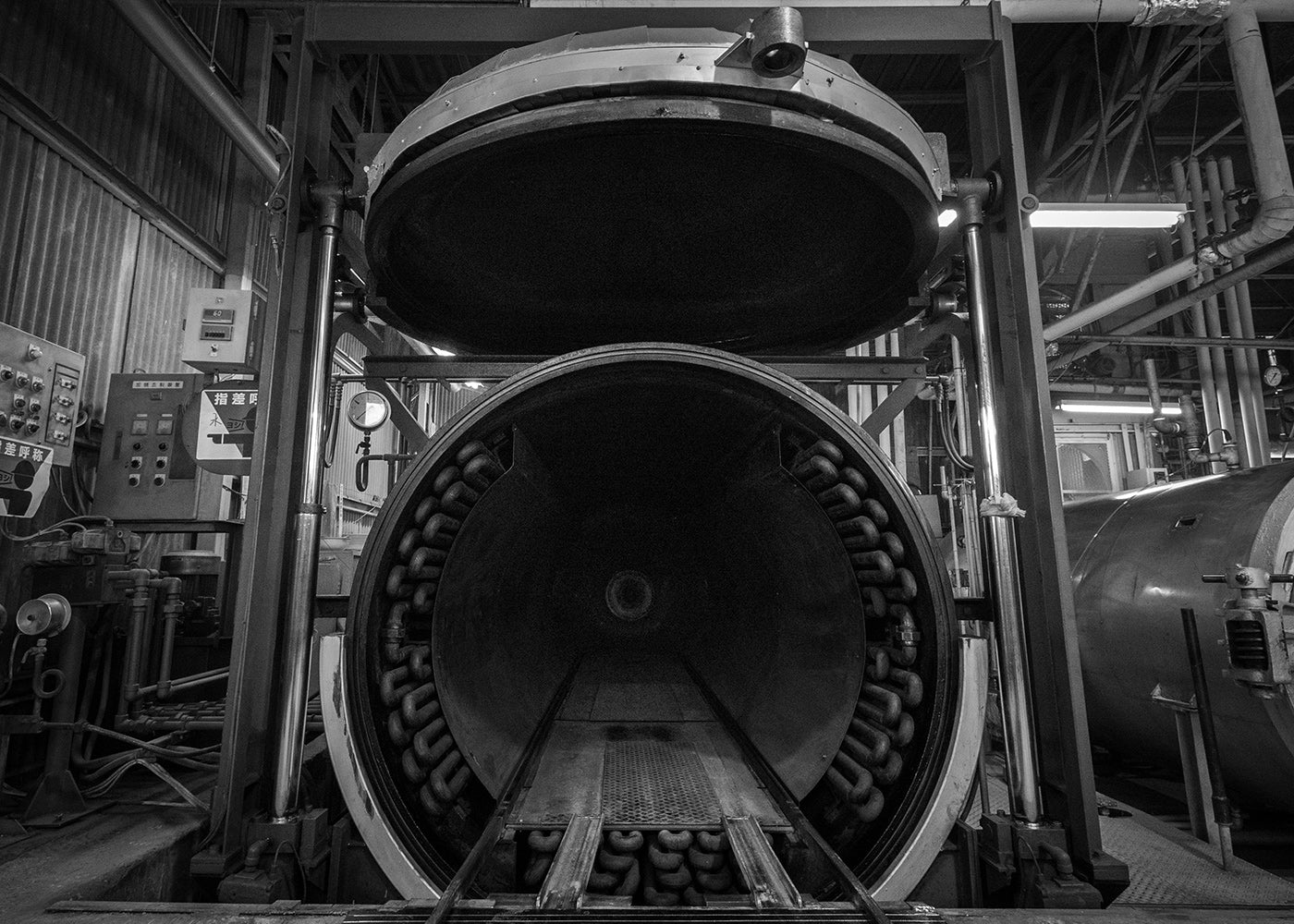
The vulcanization process works by adding sulfur to a rubber sole, gluing it to the upper, then placing the shoe in a kiln where heat and pressure are applied.It was invented by American inventor Charles Goodyear in 1839 and remains the original method for making sneakers.
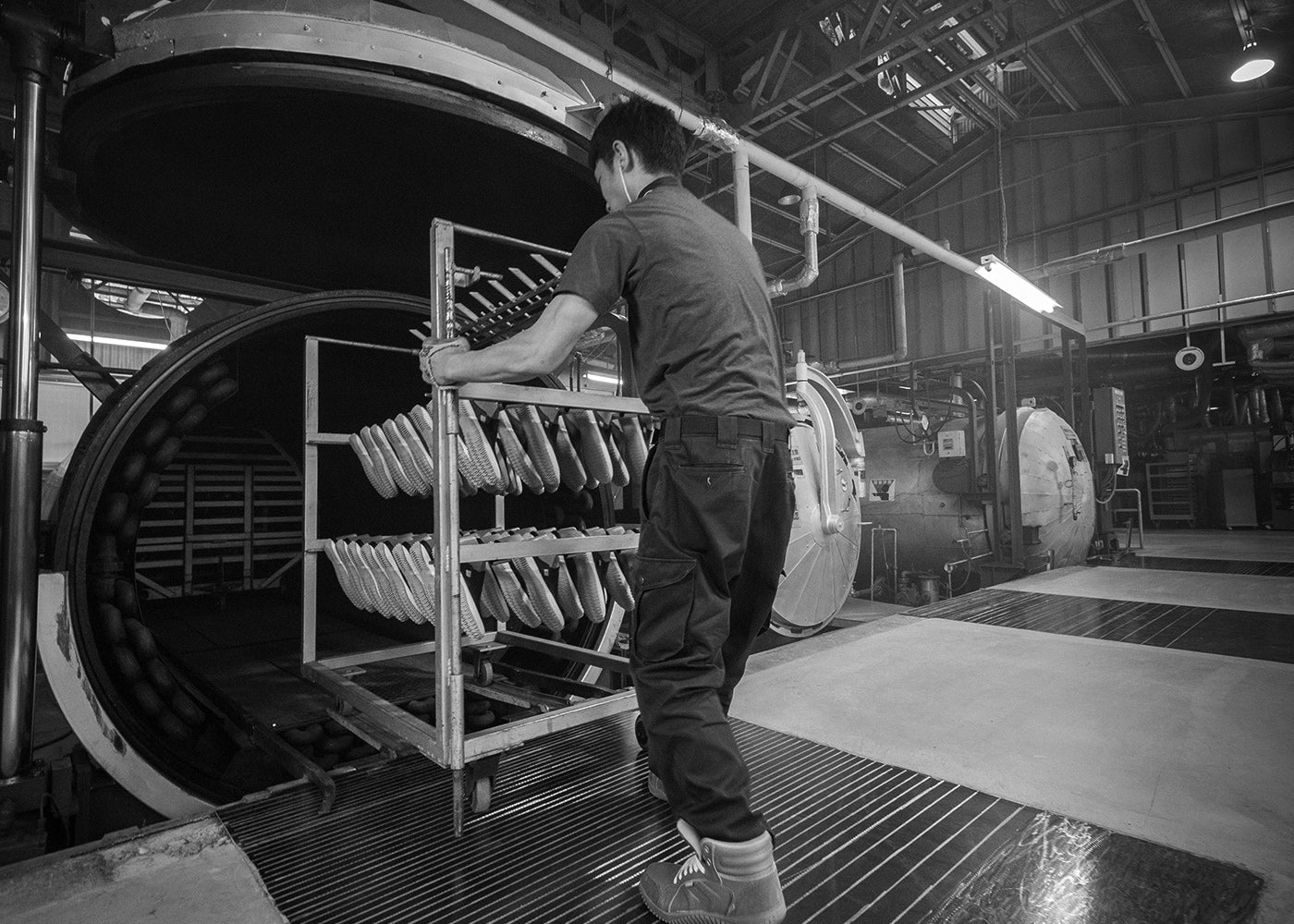
Craftsmen hand-glue the upper to the sole and load the shoes onto hanging shelves inside the vulcanizer.At this stage the shoes look nearly finished, but the rubber is still soft.The kiln bonds the upper and sole firmly together.
Work That Takes Time — by Design
Inside the kiln, the shoes are held at over 100°C for approximately one hour.When the door opens, it rises with a roaring sound and a rush of heat and white smoke.Craftsmen pull the shelves out and quickly trim the temporary threads and cloth that held each shoe's shape through the firing.Then the shoes go in front of a large fan to cool and set.
The vulcanization process is slow. It always has been. Most manufacturers in Japan have moved away from it.Today, only a handful of factories still use it — including ours.Our factory has over 90 years of history. We intend to keep that count going.
Craftsmen's Voice
The People Behind Every Pair
Design (Pattern)
Making Shoes That Are Both Beautiful and Comfortable
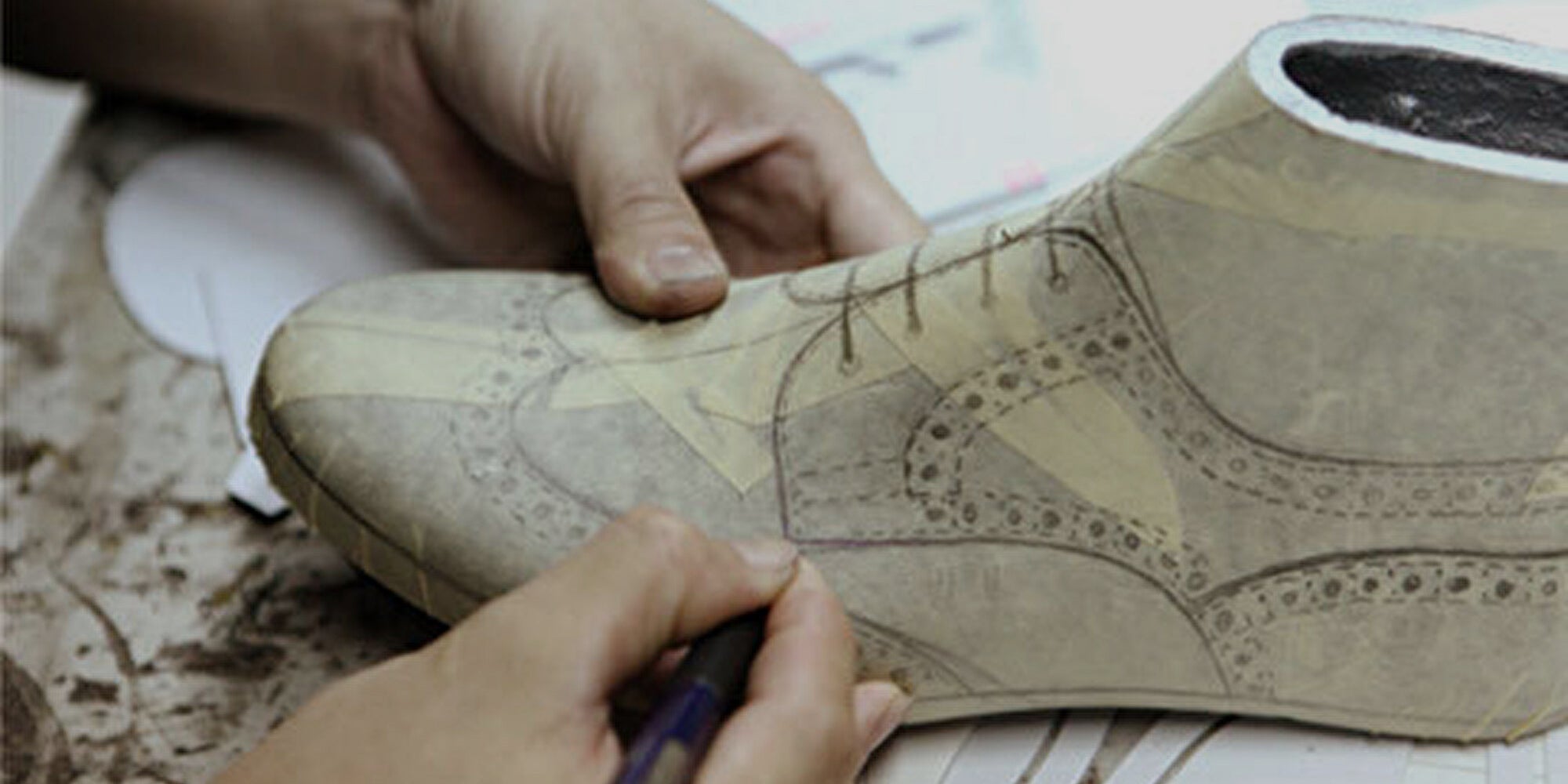
Fit and design have to work together. Even a small difference in the pattern can cause discomfort.We balance both at every step — a shoe should look right and feel right when you wear it.
Message
I want customers to love wearing their shoes.If these are the pair you reach for without thinking about it — that means everything to me.
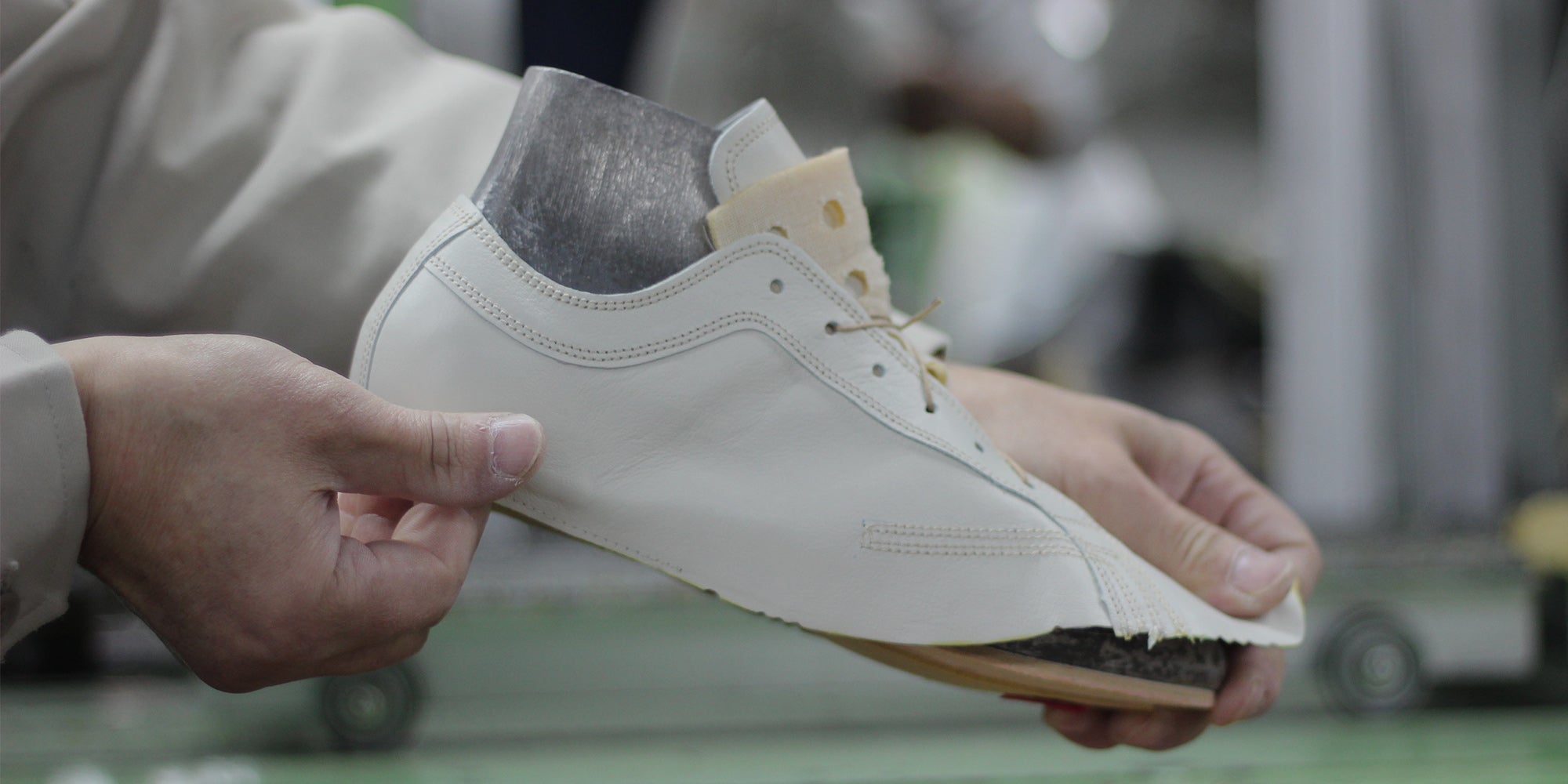
Toe Lasting (Pulling Over)
Getting Left and Right to Match, Down to the Millimeter
Lasting the toe means pulling the upper over the wooden last and smoothing out every wrinkle.When a shoe has decorative elements, keeping left and right symmetrical takes real judgment.Different materials stretch differently depending on where they sit on the shoe, so you have to feel your way through it by hand.If the widths don't match or the height is off, the shoe won't look right. We work to the millimeter. There's no shortcut for it.
Message
Wear them hard — that's what they're made for.And if you want to take care of them, clean them when they get dirty. They'll last.
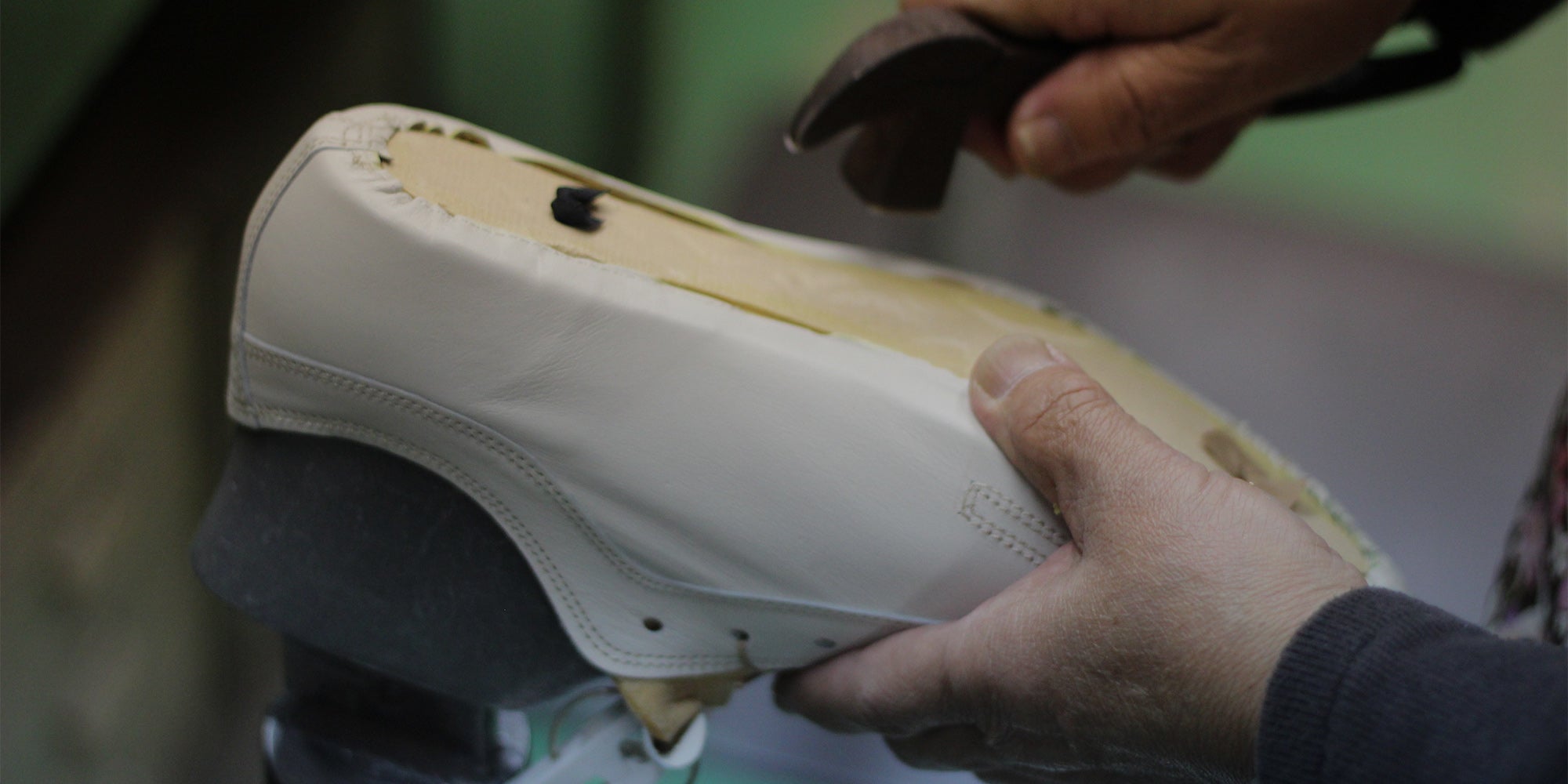
Lasting
Shaping the Collar, Setting the Fit
After the toe is lasted by machine, we hand-last the sides — pulling the upper to conform to the last on both the inside and outside.This affects how the collar sits, which affects how easy the shoe is to put on. Too much tension and the collar rises; the shoe becomes harder to get into. It has to be right.
Message
I enjoy driving, and these shoes are good for it. I hope you find places to take them — on the road, on foot, wherever.
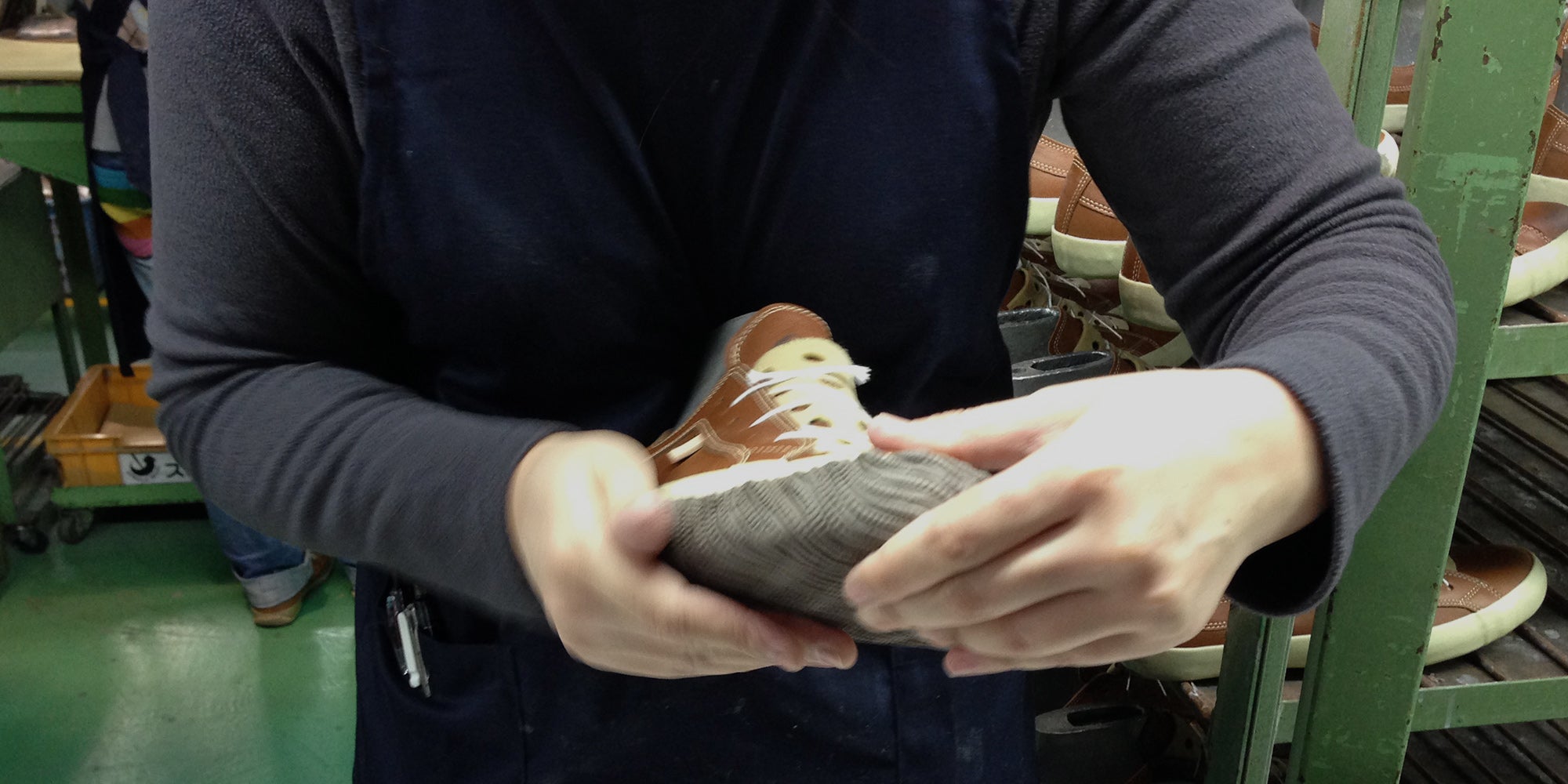
Sole Attachment
Adjusting for Every Shoe, Every Time
The final step is attaching the outsole.We choose the adhesive based on the upper material — different leathers require different bonding approaches to prevent separation.Even within the same material, every shoe behaves slightly differently. Leather shrinks at its own rate, and curving the makiage sole all the way to the toe tip is still one of the harder parts of the job.There's a nervousness that comes with gluing difficult materials. You're responsible for that pair.We make a lot of color options. I hope you enjoy finding the right one.
Message
We make a lot of color options. I hope you enjoy finding the right one for where you're going.